
Discover the key differences between party wear and casual wear, from fabrics to styling tips, to choose the perfect outfit for any occasion.
Fashion is more than just clothing – it’s a way to express your personality, mood, and confidence. Whether you’re attending a glamorous party or just hanging out with friends, the outfit you choose sends a message. This is why understanding the difference between party wear and casual wear is important. While both have their unique charm, their purpose, design, and styling rules differ greatly.
In this guide, we’ll explore the main differences between party wear and casual wear, including fabrics, colors, styling tips, and occasions, so you’ll always know what to wear and when.
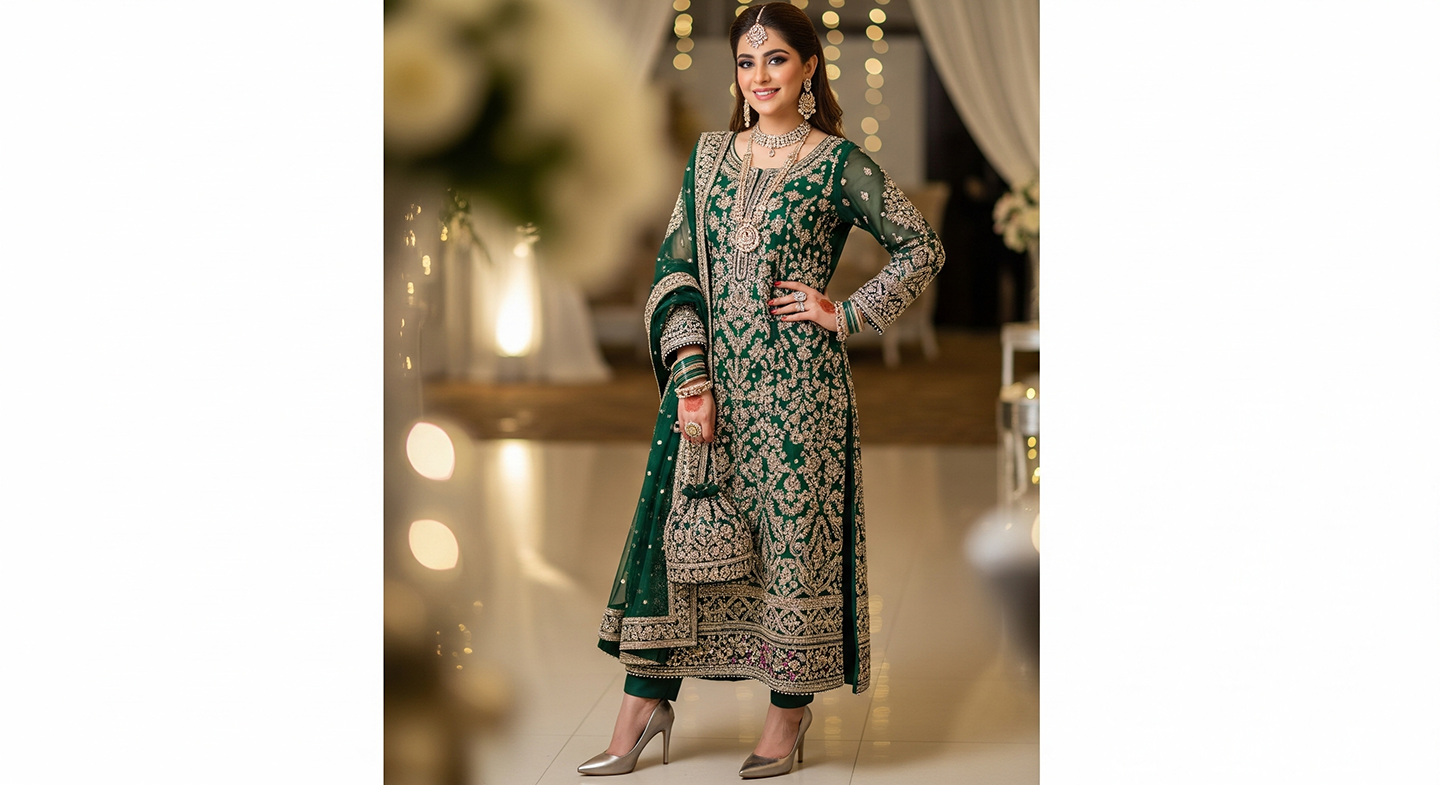
Party wear is designed for special occasions where you want to stand out, make an impression, and look polished. These outfits often have a more formal and glamorous vibe.
Key Features of Party Wear:
Examples of Party Wear:
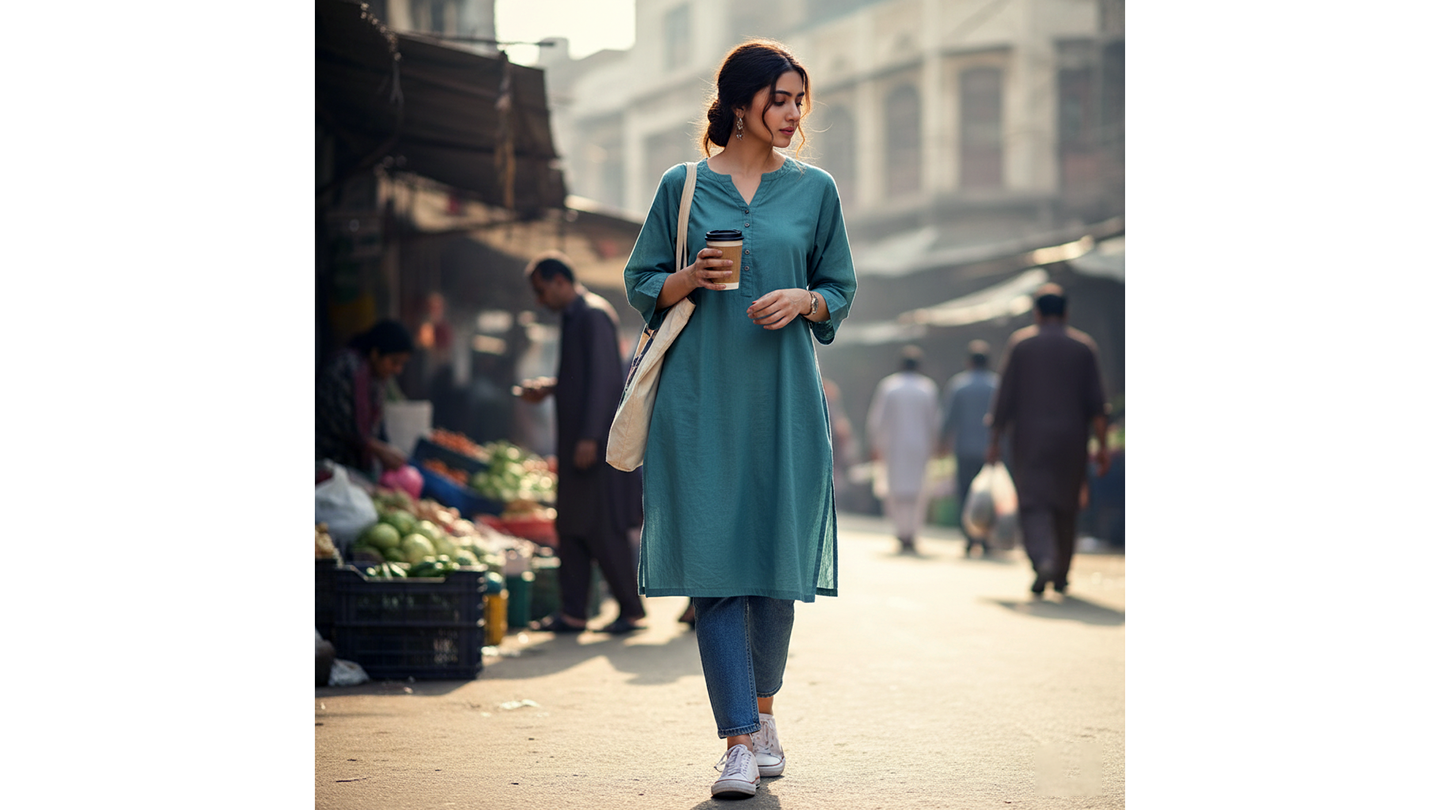
Casual wear is all about comfort, ease, and relaxed styling. It’s meant for day-to-day activities where you don’t need to dress formally.
Key Features of Casual Wear:
Examples of Casual Wear:
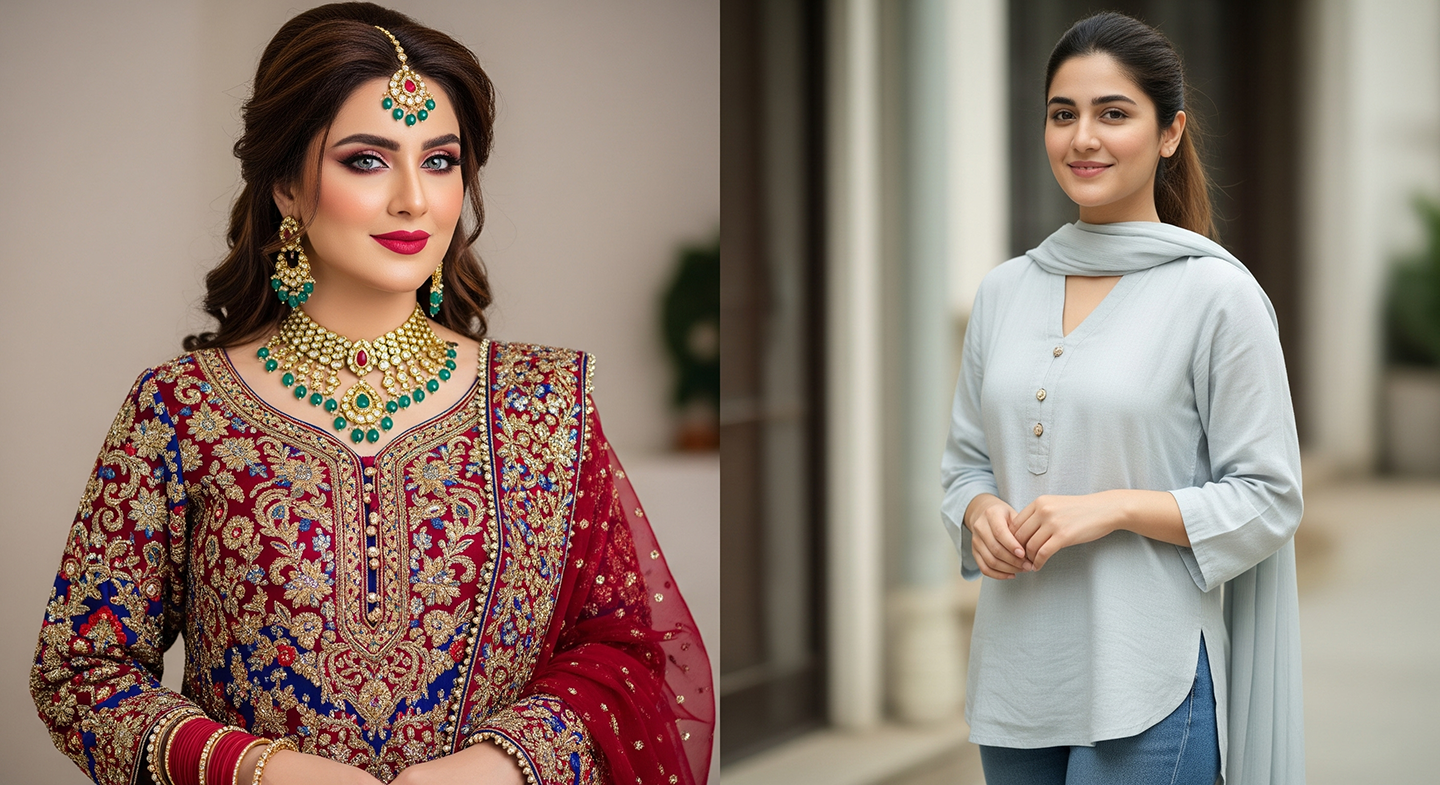
Feature |
Party Wear |
Casual Wear |
|---|---|---|
Occasion | Weddings, birthdays, formal events | Shopping, lunch with friends, home |
Fabric | Luxurious, often delicate | Comfortable, durable |
Color Palette | Bold, rich, sometimes metallic | Light, neutral, or earthy tones |
Design | Embellished, detailed, tailored | Simple, functional |
Accessories | High heels, clutches, statement pieces | Sneakers, backpacks, simple jewelry |
Maintenance | Often dry-clean only | Machine washable |
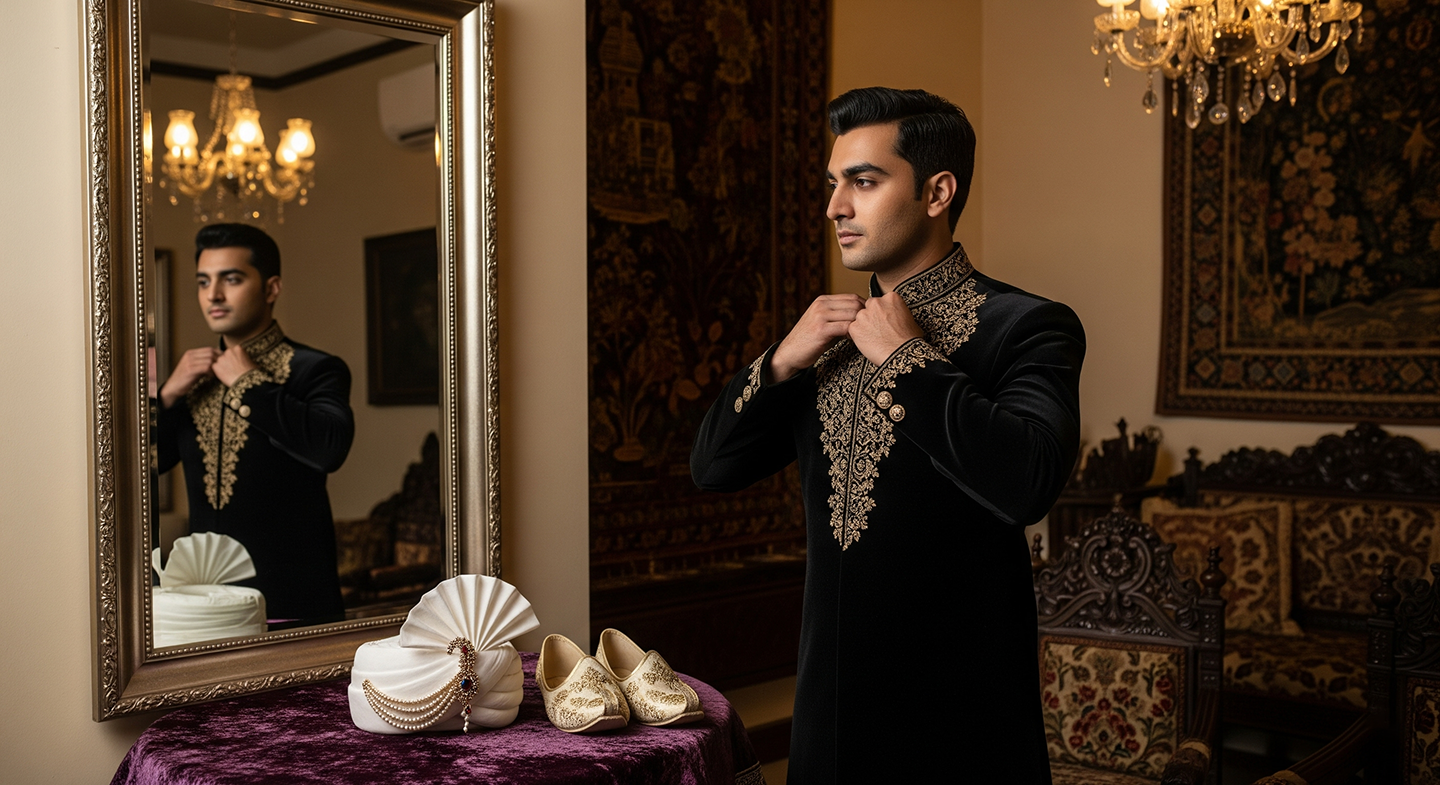
You should opt for party wear when:
Styling Tip: Keep your makeup and accessories balanced. If your dress is highly embellished, go for minimal jewelry to avoid looking overdone.
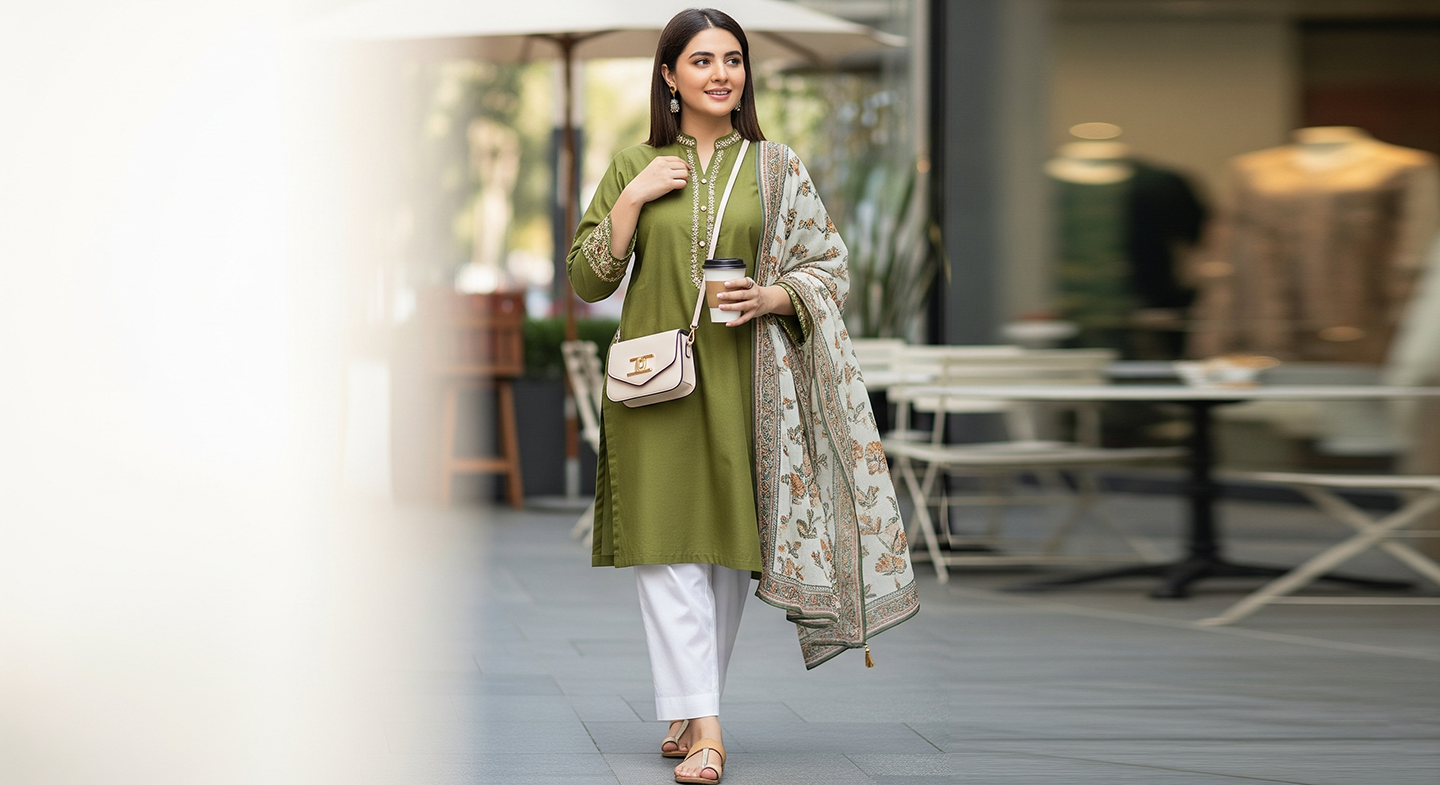
You should wear casual outfits when:
Styling Tip: Even casual outfits can look chic if you accessorize smartly. A well-fitted pair of jeans with a clean white t-shirt and stylish sneakers can make a big impact.
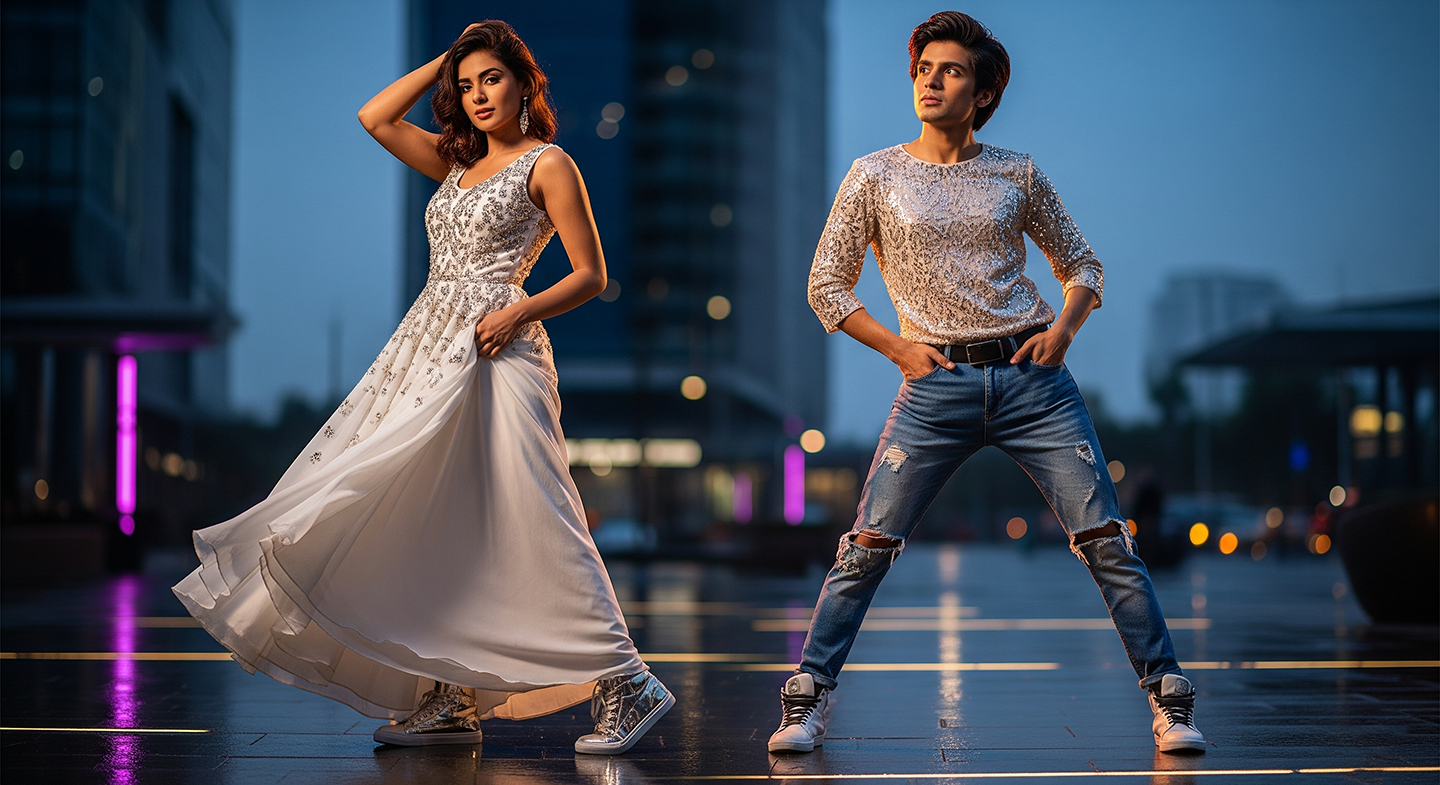
Absolutely! The modern fashion trend is “smart casual”—a fusion of both styles. For example:
This approach lets you reuse your party pieces for more relaxed settings, giving you more value for your wardrobe.
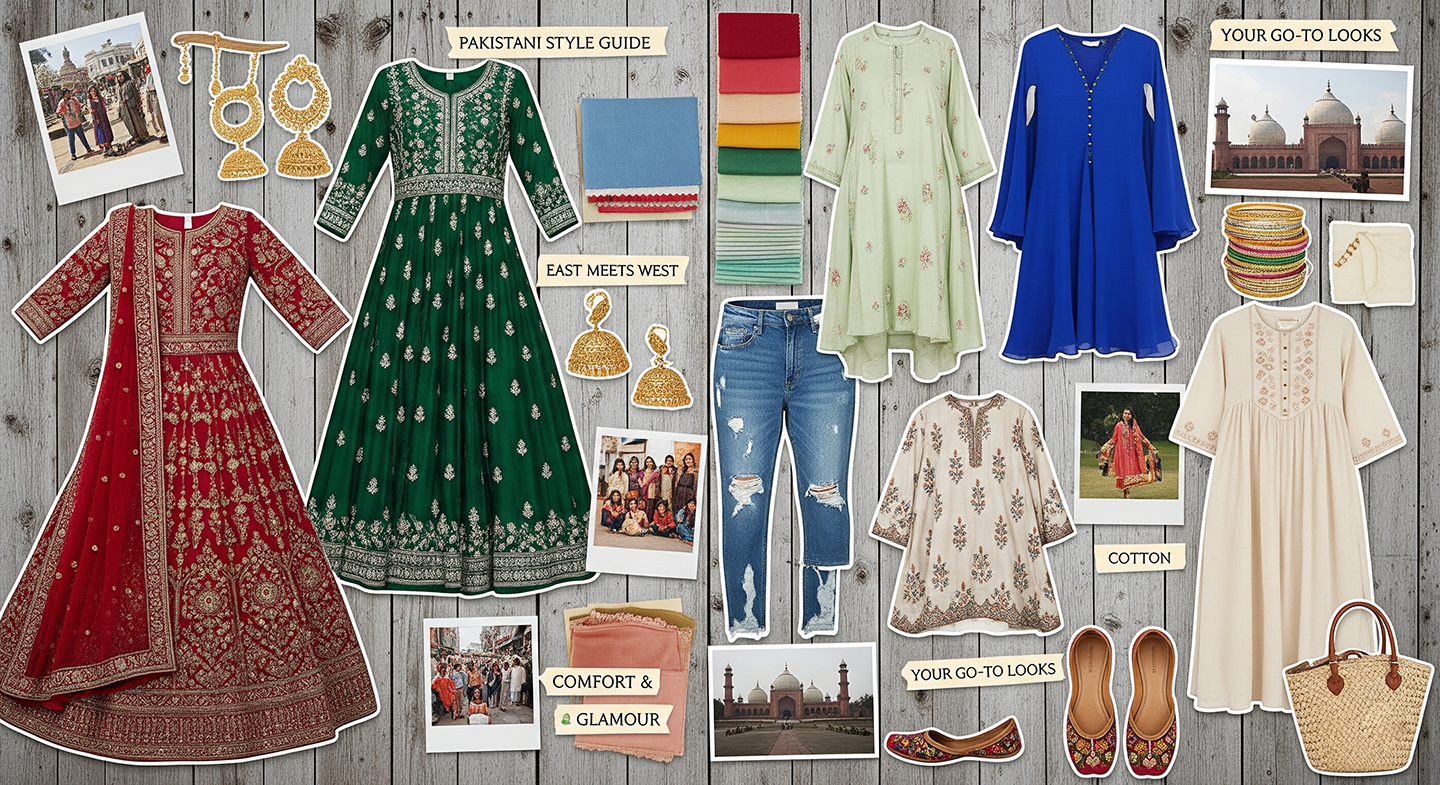
Both party wear and casual wear have their own place in your wardrobe. The key is knowing when to wear which style and how to adapt them for your comfort and personality. Party wear gives you a polished, standout look for special events, while casual wear keeps you comfortable and stylish for everyday life.
Fashion is about balance – so invest in both types of clothing, mix them when needed, and don’t be afraid to express your personal style.
For any inquiries please contact us at: